English Judo Blogs
Last updated: 2024-04-20T12:28:17
European Judo Union
(2024-4-19)300 KM OF CABLE, 17,000 MEALS
The countdown to the EUROPEAN JUDO CHAMPIONSHIPS SENIORS in ZAGREB (CRO) is entering the hot phase. The field of 437 judoka from 47 nations exceeds all expectations – featuring 5 Olympic champions, 7 world number ones, 17 world champions, 25 European champions and 51 athletes from the top 10 of the world rankings. More than 20 TV stations will be reporting live from the four days of competition. 10 cameras will be in action. The first nations are supposed to arrive at the beginning of the we... Read more
European Judo Union
(2024-4-19)JUDO FESTIVAL 2024
The ninth edition of the Judo Festival is ready to roll out this summer by the coast of the Istrian Peninsula in western Croatia. The city of Poreč is a popular summer resort as well as the annual host of the Judo Festival. This year, we will all gather by this astonishing coastline from 19 June – 06 July. The EJU Judo Festival 2024 is a wonderful opportunity to spend time with your family whilst choosing from a wide range of activities to attend at, mixing practice and plea... Read more
JudoInside
(2024-4-19)Ambitious Kim Polling wants to sound the Fratelli D'Italia
Quadruple European Champion Kim Polling dominated the -70kg category in judo for three consecutive years, holding the prestigious IJF World #1 ranking. Her remarkable career boasts numerous accolades, including World and European Junior Champion titles in 2010 and four IJF World Masters titles. Renowned for her exceptional ura nage skills, Polling was a formidable force on the tatami, striking fear into many of her opponents. Read more
European Judo Union
(2024-4-19)POLLING FOR ITALY: “GRATEFUL. PROUD. EXCITED.”
Kim Polling. For judo fans around the world, we know her as the fierce Dutch athlete who has accolades in their droves; four-time European Champion, four-time Masters winner, World medallist, and has been a stellar part of the Netherlands Judo Team for many years. Today however, she sports new colours, true to her identity and fitting with her life, the present and the future. It may have come as a surprise to some, so what’s the story? In 2016 I moved to Italy and was also talking with... Read more
European Judo Union
(2024-4-18)WARSAW WELCOMES VETERANS
The second stop of the EJU Veteran Tour 2024 is Warsaw. Over 150 judoka from 27 nations will gather in Poland to compete within their respective age and weight category. The country’s only veteran European Champion of 2023, Jacek GEMZA will seek to shine on home grounds in the M7/-100kg. From the visitors, Ukraine, Italy and Belgium has the largest team entered. USA’s trio, including veteran worlds silver and bronze medallists, Ray MARQUEZ (USA) also continue their own European tour. In... Read more
Chadi
(2024-4-18)JudoInside
(2024-4-18)Sweden is preparing three potential Olympians
Sweden's presence in the world of judo continues to grow, with athletes like Tara Babulfath emerging as rising stars alongside established figures like Marcus Nyman. Representing the Swedish flag on the World Judo Tour, they embody judo values of positivity, sportsmanship, and humility. Read more
JudoInside
(2024-4-18)Rustam Orujov and Orkhan Safarov touring in the UK
For the last week Rustam Orujov and Orkhan Safarov have been touring the UK delivering technical seminars and learning about British systems as part of a commitment to judo education and their own development. Both are now retired from competition and are looking forward to staying firmly connected to their judo roots, both at home in Azerbaijan and further afield. Read more
JudoInside
(2024-4-18)Olympic Champions: Yvonne Boenisch
Yvonne Boenisch, Athens 2004 Olympic champion in the -57kg category, is current headcoach in Austria. With just 100 days before the start of the Olympic judo tournament, she will know what is needed to peak at the right moment. Did they become that person having won the Olympic gold medal? IJF’s Jo Crowley interviewed Boenisch. Read more
JudoInside
(2024-4-18)What to Expect from the Judo Events at Paris 2024
Olympics just around the corner with 100 days to go for the judo tournament, anticipation is building for what promises to be an electrifying showcase of athleticism, skill, and sheer determination. And if you're a fan of judo, you're in for a treat – the judo events at Paris 2024 are shaping up to be nothing short of spectacular. So, let's dive into what you can expect from the judo competitions at the upcoming Olympic Games. Read more
European Judo Union
(2024-4-18)GREAT NUMBER OF APPEARANCES
The first ever European Judo Hopes Cup & Technical Session Kodokan Experts is ready to proceed this weekend in Sarajevo, Bosnia and Herzegovina. The participants of this event will compete for their judo club, not for their national federations. With that, Arena Hills welcomes almost 300 competitors from over 75 judo clubs across 13 nations. This phenomenal two-day event will run in two sections each day and all judoka required to attend both, the competition and technical session... Read more
JudoInside
(2024-4-17)Judo To Grow In Popularity Post-Olympics
Judo is one of the oldest and most popular forms of martial arts. Since being created in the late 1800s, the martial art, which originates from Japan, has been learned, performed and competed in all around the globe. And it is set to receive a significant boost in popularity and participation this summer. Read more
JudoInside
(2024-4-17)Countdown to French judo celebration in Paris
As the countdown to the 2024 Olympic Games enters its final hundred days, anticipation runs high for the French judo team. With a rich history of success in the sport, France has established itself as one of the strongest judo nations, boasting an impressive collection of medals since judo's inclusion in the Olympics in 1964. Read more
European Judo Union
(2024-4-17)100 DAYS TO GO
The number ‘100’ may seem like a lot, but in the anticipation of the Olympic Games, 100 days means that it is practically on our doorstep. There have been a number of countdowns, celebrating various aspects, whether it be Olympic or judo history, previous champions or interviews with potential future medallists, but how does our host nation place in the Olympic history? It is no secret that France is one of the strongest judo nations, having numerous champions and figureheads, past and p... Read more
JudoInside
(2024-4-17)The battle for qualification: Aleksandra Kaleta
In the realm of Polish judo, one name shines bright - Aleksandra Kaleta(26) born in Olkusz, Kaleta journey in judo began in 2007, in her hometown of Wolbrom. Coming from a family where sports held a significant place, Kaleta dabbled in various activities, including ballroom dancing and ballet, before finding her calling in judo. A chance encounter led her to a judo training session, and from that moment on, there was no turning back. Currently she is the world number 20 in -52kg category and... Read more
JudoInside
(2024-4-17)Kosovo judo: We believe in the innocence of Akil Gjakova
After the news that the Kosovo Police declared the judoka Akil Gjakova a wanted person, the Judo Federation of Kosovo has now reacted. “Our judoka, Gjakova, is wanted for the criminal offense "Domestic violence", KosovaPress reports. Read more
Irish Judo Association
(2024-4-16)Points & Wins for Leinster Open Kyu Championships held on 13th of April 2024
Please find the Point s & Wins for Leinster Open Kyu Championships held on 13th of April 2024 Well done to everyone! Read more
European Judo Union
(2024-4-16)VAN DIJKE SETS SIGHTS BEYOND EUROPEANS
There is a great deal at stake in the year of 2024, the Olympic year. With this, big decision have been made by individuals and federations alike in the approach to the biggest event in the judo calendar. Preparation is key and for some, they have chose to not compete in the European or World Championships this year depending on how their cycle is looking, and one of those choosing to opt out in the final moments is Sanne VAN DIJKE (NED). In just over a week, European athletes will be de... Read more
European Judo Union
(2024-4-16)LIGNANO JUNIOR CUP JUST AROUND THE CORNER
Author: Italian Judo Around 500 athletes from 29 nations and four continents will compete this weekend on the tatami of the Bella Italia village in Lignano Sabbiadoro. The European Junior Cup in Lignano Sabbiadoro will be the 41st edition of the Tarcento Trophy, organised by the Italian Federation in collaboration with Judo Kuroki, and will begin on April 19 with accreditation, weigh-in, and online draw, the latter commencing at 20:00 local time on JudoTV.com . It will continue on Apr... Read more
United States Judo Federation
(2024-4-16)JudoInside
(2024-4-15)Who can beat Uta Abe in Paris?
Uta Abe is an Olympic Champion and a four-time World Champion. Throughout her international career, she has been beaten only three times. The first time was against teammate Natsumi Tsunoda in the final of the 2016 Tokyo Grand Slam, when Abe was only 16 years old. Read more
Chadi
(2024-4-15)European Judo Union
(2024-4-15)FOR THE FIRST TIME…
Cees Roest is a wheelchair dependent individual who also happened to be a judoka. In 2003, he wanted to take his black belt exam however, for that to happen [at the time], he needed to be able to stand on his own legs. There is saying which goes like this: “If the mountain won’t come to Muhammad, then Muhammad must go to the mountain”. Well, Cees done just that and altered the required Nage-no-Kata to his abilities, creating a Ne-waza Nage-no-Kata, resulting in him claiming his 1 st Dan. Hi... Read more
European Judo Union
(2024-4-15)TEN DAYS TO GO – TEAM CROATIA
Croatia’s 18 finest judoka are ready to roll in the capital in just a matter of 10 days. Zagreb is ready to host the European Judo Championships Senior 2024 . The final entry has been completed, meaning there are very few changes to be expected. Barbara MATIC and Lara CVJETKO © Carlos Ferreira Katarina KRISTO © Carlos Ferreira Ana Viktorija PULJIZ © Rui Telmo Romão Ladies First Barbara MATIC is the main talking point when it comes to the women’s division and she sits at... Read more
KL Judo
(2024-4-11)Running Kosoto
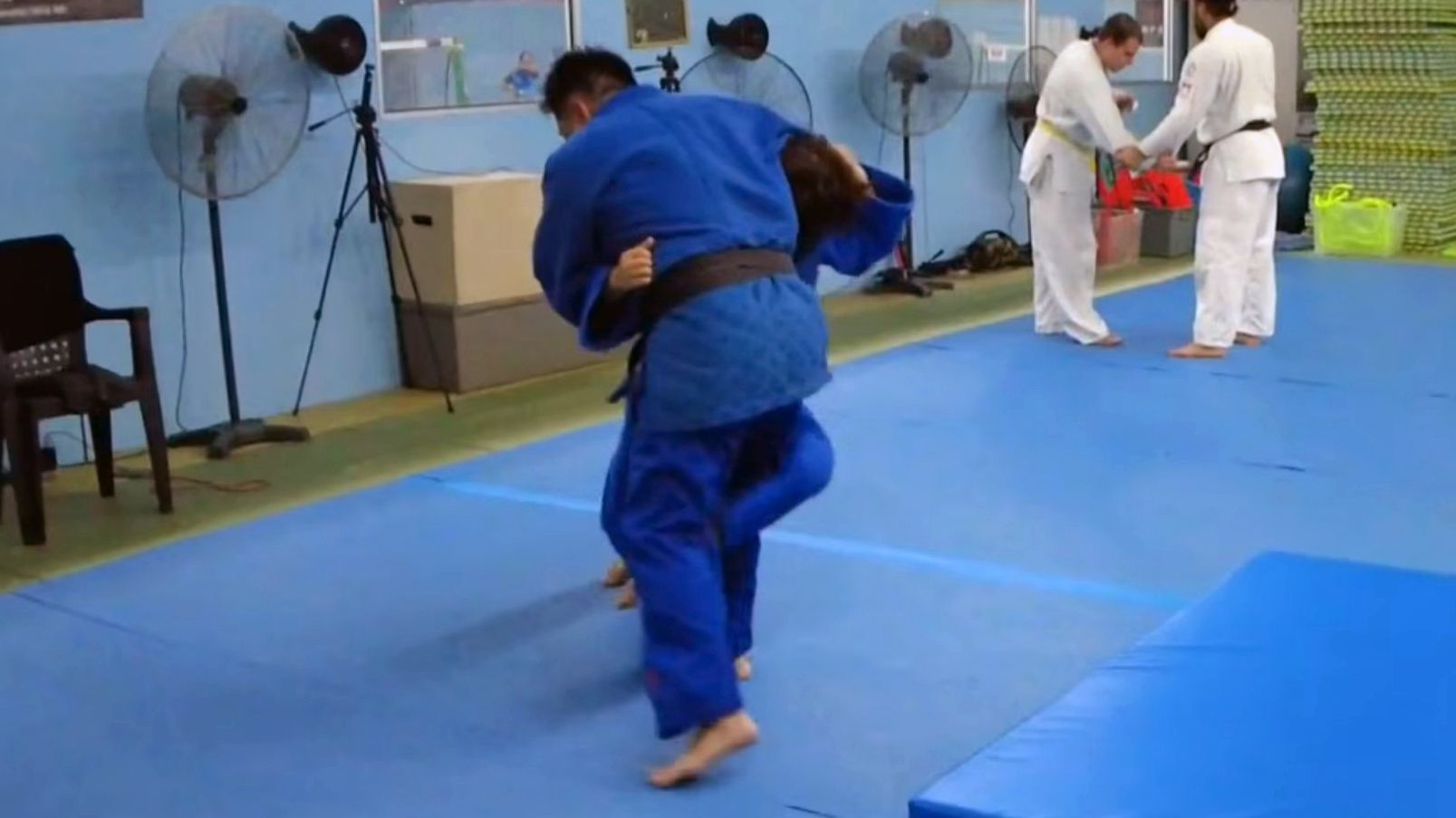
I saw some players do this on the IJF World Tour and decided to teach my students this new spin on a classic throw. Is it kosoto? Is it kata-guruma? Is it side takedown? Maybe a little bit of each. Read more
Chadi
(2024-4-10)The Kano Chronicles© 嘉納歴代©
(2024-4-08)Was Fukuda Keiko sensei a “direct student” of Kanō shihan? How did Kanō shihan approach jūdō training for women?
This weekend I was mentioned by someone in a Judo Facebook group about an unattributed #blackbeltmagazine article citing the most influential women in judo that provided a list of those women and their accomplishments. I suspect being mentioned was to elicit a comment, and, being interested in the best history of judo, I bit. I … Continue reading Was Fukuda Keiko sensei a “direct student” of Kanō shihan? How did Kanō shihan approach jūdō training for women? → Read more
Chadi
(2024-4-08)Irish Judo Association
(2024-4-07)Bronze for Maxim at Dubrovnik Senior European Cup 2024
Latest News from Croatia Maxim Trigub wins Bronze at the Dubrovnik Senior European Cup 2024 this evening. Well done Max from everyone in Irish Judo Read more
Irish Judo Association
(2024-4-07)Outlines & Entry Form – Irish Judo Club Challenge 2024
Irish Judo Club Challenge 2024 Outlines & Entry Form – Irish Judo Club Challenge 2024 Close Date 6th May 2024 at 11.59pm Read more
Judo Canada
(2024-4-06)Five-Medal Haul in Varadero
Montréal, April 5, 2024 – On Friday in Cuba, the Canadian judo team concluded its two days of competition at the Pan-American Open in Varadero with a total of five medals: two gold and three bronze. Photo: Facebook, Confederacion Panamericana de Judo Isabelle Harris Isabelle Harris (-63 kg) and Coralie Godbout (-78 kg) spearheaded the squad, claiming the two gold medals, while Laurence Gagnon (-57 kg), Tylor Collin (-60 kg), and Olivier Gagnon (-73 kg) secured the third spot on thei... Read more
Chadi
(2024-4-05)Irish Judo Association
(2024-4-04)Points & Wins for Northern Ireland Closed held on the 24th March 2024
Please find the Points & Wins for Northern Ireland Closed held on the 24th March 2024 Well done to everyone! Read more
Irish Judo Association
(2024-4-04)Points & Wins for Inter Provincial Judo Championships held on the 24th March 2024
Please find the Point s & Wins for Inter Provincial Judo Championships held on the 24th March 2024 Well done to everyone! Read more
Chadi
(2024-4-03)Judo Canada
(2024-3-31)ElNahas Earns Silver After Forfeitingthe Fight for Gold
Montréal, March 31, 2024 – Ontario’s Shady ElNahas earned a third medal for Canada on the final day of the Antalya Grand Slam in Turkey. On Sunday, ElNahas was awarded silver in the under-100 kg category after forfeiting the final to Jorge Fonseca of Portugal. Photo: IJF, Tamara Kulumbegashvili Shady ElNahas The Canadian would have much preferred to fight for glory against the Tokyo Olympic bronze medallist and 2019 and 2021 world champion, but an injury in the semi-final put his ex... Read more
Judo Canada
(2024-3-30)Silver medallist in Antalya, François Gauthier-Drapeau records his career best Grand Slam result!
Montreal, March 30th, 2024 (Judo Canada) – François Gauthier-Drapeau won Canada’s second medal at the Antalya Grand Slam in Turkey. The Quebecer was awarded silver in the under-81 kg category on Saturday, 24 hours after Christa Deguchi’s triumph in the under-57 kg competition. Photo: International Judo Federation Gauthier-Drapeau squared off against defending Olympic champion Takanori Nagase of Japan in the final, the first of his Grand Slam career. A worthy opponent his coach Antoi... Read more
Chadi
(2024-3-30)Judo Canada
(2024-3-29)Christa Deguchi back on top of the podium
Montreal, March 29th, 2024 – After capturing bronze a week ago at the Tbilisi Grand Slam in Georgia, Christa Deguchi made her return to the podium on Friday, this time with a gold medal around her neck in the under-57 kg category at the Antalya Grand Slam in Turkey. Photo IJF Jessica Lima, Christa Deguchi, Maysa Pardayeva and Faiza Mokdar In the final clash of the day, Deguchi faced off against Brazil’s Jessica Lima. The duel went into overtime, with both finalists having received t... Read more
Chadi
(2024-3-29)Konan Judo
(2024-3-28)Kime No Kata Clinic – April 21, 2024
Date: Sunday April 21, 2024 Time: Registration 12:00 pm Workshop 12:30 pm – 4:30 pm Location: Shojin Judo, 29223 Southfield Rd, Southfield, MI 48086 Instructor: Frances Glaze Flyer to coming soon. Read more
Judo Canada
(2024-3-28)“Anyone can contribute, regardless of thecolour of their belt” – Ruth Lam
Montréal, March 28, 2024 (Judo Canada) – Black belt or no black belt, Ruth Lam will not be held back from furthering the development of judo in Canada, just as she’s done for more than twenty years. In 2022, Lam became the first woman without a black belt in judo to sit on Judo Canada’s board of directors. She was quick to acknowledge the honour, and was keen to use her position to help develop the sport on a national level. The skills she possesses outside the tatamis enabled her to beco... Read more
Chadi
(2024-3-28)Judo Canada
(2024-3-28)Judo Ontario and Judo Canada Join Forces!
Toronto, March 27, 2024 (Judo Canada) – Judo Ontario and Judo Canada are proud to announce the strengthening of their collaboration with the arrival of James Cunningham at Judo Canada as part-time manager of the National Coaching Certification Program (NCCP). Cunningham, who will also be promoted to the position of executive director of Judo Ontario, will lend his expertise and dedication to the development of judo on a national level. The new incumbent, who will officially assume his ... Read more
Konan Judo
(2024-3-28)Nage No Kata Clinic
Location: Max Out Sports, 23860 Miles Rd, Bedford Heights, OH Read more
Chadi
(2024-3-26)Irish Judo Association
(2024-3-26)Congratulations to Julia – Sport Ireland Aspire Graduate
The office of the Irish Judo Association along with the IJA Executive Committee members would like to congratulate Julia O’Connor on successfully graduating from the Sport Ireland Aspire Graduate Programme 2023/4. Through Dormant Account Funding sourced by Sport Ireland, the Irish Judo Association was able to offer Julia an 11 month graduate role within the offices of the Association and on Friday the 22nd March 2024, Julia attended her graduation ceremony with her fellow graduates at the Cro... Read more
NI Judo
(2024-3-26)A high level of entries and a higher standard of Judo at the Northern Ireland Closed
The Northern Ireland Closed Championships took place on the 24 th of March in the Foyle Arena, and with a solid entry of competitors from across the province, the day was set to be a great day of Judo. The event which focused on the Cadets, Juniors, Seniors, and Masters started with the Masters section and with a good entry of players, it was strong competition across the pools with great camaraderie and spirit. This then followed with the Cadet entry, and from what we could see of the standa... Read more
Irish Judo Association
(2024-3-26)Points & Wins for Galway Open 9th March 2024
Please find the Points & Wins for Galway Open 9th March 2024 Well done to everyone! Read more
Irish Judo Association
(2024-3-25)Results – Inter Provincial Championships 2024
Results – Inter Provincial Championships 2024 Please see Results – Inter Provincial Championships 2024 for the event held at the weekend. Congratulations to Leinster Judo on their victory, points were awarded as follows: Gold – 3 points Silver – 2 points Bronze – 1 point Max – 7 points per category Also included standings per champion per age band with the split between provinces. Well done to everyone! Read more
Irish Judo Association
(2024-3-25)Condolences to the Brennan Family
Sadie Brennan (nee Douglas) RIP The Executive Committee, members and staff of the Irish Judo Association send their deepest condolences to the Brennan family on the passing of Sadie Brennan (nee Douglas). Sadie was the beloved wife of our former President and Honorary Life Member Liam Brennan who volunteered for Irish Judo for over 40 years. We offer our deepest sympathy to Liam and his family at this very sad time. Funeral Details Reposing at Fitzgerald’s Funeral Directors, Bayside on Monday... Read more
Judo Canada
(2024-3-24)Shady ElNahas Returns to Podium, Gets his “Mojo” Back
Credit: Tamara Kulumbegashvili Shady ElNahas (on the left) Montréal, March 24, 2024 – Shady ElNahas secured his first podium finish of 2024 on Sunday, capturing a silver medal at the Tbilisi Grand Slam in the under-100 kg category. Although the defeat was hard for him to swallow, it in no way represented the Canadian’s overall performance on the tatamis in Georgia this weekend. In the big final, ElNahas refused to be daunted by the fact that his opponent, Nikoloz Sherazadishvili,... Read more
Judo Canada
(2024-3-23)“I’m right where I want to be”- Catherine Beauchemin-Pinard, Champion in Tbilisi
Montréal, March 23, 2024 – Catherine Beauchemin-Pinard was unstoppable on Saturday at the Tbilisi Grand Slam, putting in a perfect day to claim the top spot on the podium. This important win aligns perfectly with her preparations for the Paris Olympic Games. Photo: Tamara Kulumbegashvili Joanne Van Lieshout, Catherine Beauchemin-Pinard, Angelika Szymanska and Kim Jisu. The top-ranked judoka in the world in the under-63 kg weight category wrapped up the tournament with a victory by... Read more
Chadi
(2024-3-23)Judo Canada
(2024-3-22)Silver Medallist Jessica Klimkait Comes Up Just Short
Bronze for Christa Deguchi Montréal, March 22, 2024 – Although Jessica Klimkait fought hard until the very last second of Friday’s under-57 kg big final at the Tbilisi Grand Slam in Georgia, she ultimately had to concede defeat. Photo: IJF / Tamara Kulumbegashvili Jessica Klimkait, Eteri Liparteliani, Christa Deguchi and Rafaela Silva One thing is certain, however: She gave her all on the tatamis today. After winning her first four bouts of the day, two in overtime and two by waz... Read more
Judo Canada
(2024-3-22)Judo: A Family Affair for Anne-Laurence Chevalier
Montréal, March 22, 2024 – In Anne-Laurence Chevalier ’s home, there is no lack of judogis in the laundry room. For the ex-Parisian, who is now based in Toronto, a passion for judo runs in the family. In other words, the apple did not fall far from the tree. Anne-Laurence Chevalier Not only is she the child of two judokas who fell in love on the tatamis, but her mother, Monique Thiollet, played a part in the history of women’s judo. In 1974, she became the first woman to win the Eu... Read more
Chadi
(2024-3-21)United States Judo Federation
(2024-3-20)22nd Maccabiah Games July 1 – 16, 2025
Lou Moyerman and Miki Takemori have sent this information: Read more
Irish Judo Association
(2024-3-19)Inter Provincials Championships 2024 – Entry List
Inter Provincials Championships 2024 – Entry List The Inter Provincials Championships 2024 will be hosted for the first time this weekend 24th March in Phibblestown, Dublin. Please find attached Entry List for the event Any queries on same, please email Leo Gibbons at [email protected] Read more
The Original Judo Podcast
(2024-3-18)Predicting the Olympic Champions Part 2 with Chris Barry
Predicting the Olympic Champions Part 2 the women. With British Judo’s Chris Barry. Read more
Judo Books by Koka Kids
(2024-3-18)Judo Certificates for Judo Coaches
Judo certificates are an excellent tool for judo coaches to use, to encourage judoka to Read more The post Judo Certificates for Judo Coaches appeared first on Judo Books by Koka Kids . Read more
KL Judo
(2024-3-16)From Uchikomi to Randori
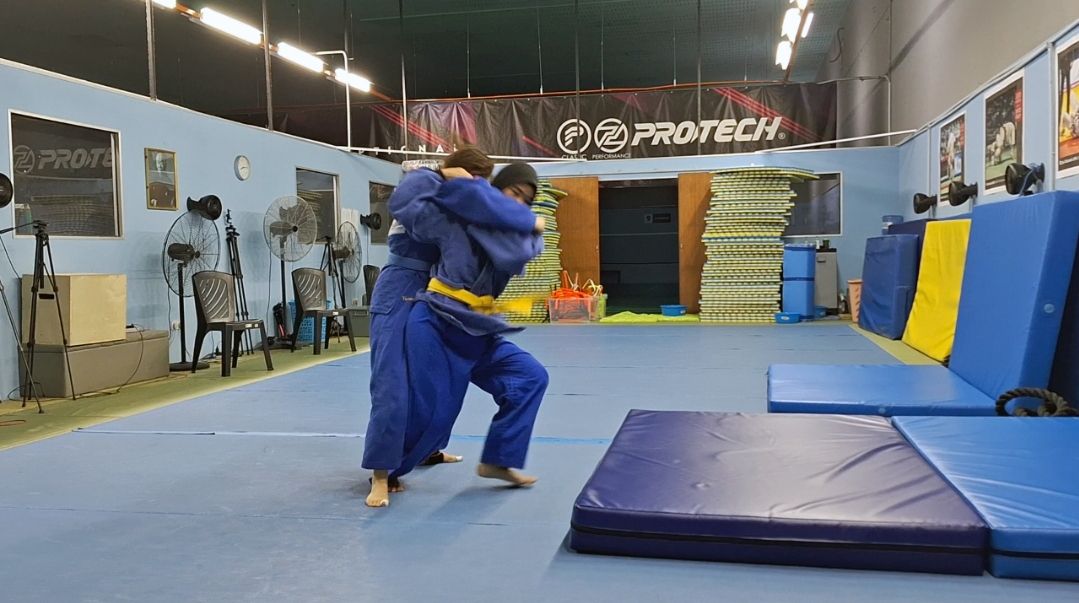
The gap between learning the mechanics of a technique to getting it to work in randori is a huge one. When learning the mechanics, you usually start with uchikomi. This teaches you how to enter into the technique. Uchikomi is very useful for this. But it doesn't teach you how to complete the technique. For that, you have to do nagekomi. Doing lots of throws on the crash pad is really important to get the feel of the throw. And it's important to do it on a crash pad because you want tori to th... Read more
United States Judo Federation
(2024-3-15)2024 USJF Hall of Fame, Lifetime Achievement Presidential Recognition Awards Banquet
Spend an enjoyable Saturday evening with our USJF Judo community and help to congratulate, recognize, celebrate, honor and show our appreciation for our awardees for their expertise and service to the Judo community across the USA, with Shufu Judo Yudanshakai, and the USJF! Read more
Chadi
(2024-3-13)NI Judo
(2024-3-12)A fantastic medal haul for the NIJF players at the British Schools Championship
On the 9 th and 10 th March the British Schools Championship took place in Sheffield, with the top competitors from across the UK coming together to compete for the title of Champion. A squad of 19 players from 8 clubs across the province were part of the cohort of players attending, with 15 of these being long standing members of our Pathway Squad and Academy initiative coached by Stephen McCluskey. Another 4 were self-funded players. This was the first time so many athletes from the Pathwa... Read more
United States Judo Federation
(2024-3-11)United States Judo Federation
(2024-3-11)Chadi
(2024-3-09)United States Judo Federation
(2024-3-02)Webinar: Introduction to USJF Smoothcomp Platform
Webinar: Introduction to USJF Smoothcomp Platform March 10, 2024, 10:00 am, Hawaiian Time Read more
KODOKAN
(2024-3-02)KODOKAN
(2024-3-01)Recent posts
(2024-2-29)KEY DATES & CALENDAR FIRST CLUB TRAINING SESSIONS FOR 2024
TBA Next Committee meeting 2 - 3 Mar 24 2024 Sydney International Open - Liverpool 9 Mar 24 Saturday State Squad 17 Mar 24 Budokan Mons Competition Read more
Recent posts
(2024-2-29)BUDOKAN ANNUAL AWARDS NIGHT 2023
There were over 30 perpetual trophies awarded late last year at our Annual Awards Night. If you won one of these awards and shared it with another club member, please return it to the club so that the other recipient can also hold it for a while. Read more
Recent posts
(2024-2-29)WHAT DOES THE ARRIVAL OF 2024 MEAN TO YOU?
https://www.ijf.org/news/show/what-does-the-arrival-of-2024-mean-to-you is a link to a compilation of reflections by some of the IJF’s World Tour athletes:“For some, the arrival of a new year sign Read more
Recent posts
(2024-2-29)BUDOKAN CLASS RESTRUCTURE PLANNED FOR THIS YEAR
At Budokan, we are always looking at ways to improve the effective delivery of Judo skills and experiences to our club’s athletes. Initiatives such as the: Read more
Recent posts
(2024-2-29)COMBAT INSTITUTE OF AUSTRALIA APPOINTMENTS
The Combat Institute of Australia (CombatAUS) is a purely High-Performance focussed organisation, aiming to deliver sustained international success for our Cadet and older National Team athletes. Read more
Recent posts
(2024-2-29)BUDOKAN MONS AND JUNIOR (U/11) COMPETITION – 17 MARCH

We will be holding our Mons and Junior (U/a11) competition at the club only a few weeks away. This is a great opportunity for our youngest members to participate in competition in our own club. Read more
Recent posts
(2024-2-29)SYDNEY INTERNATIONAL OPEN – 1–3 MARCH
Entries for the 2024 SIO close Tuesday 27th February. Our entries should be very strong this year and we encourage all eligible Budokan athletes to challenge themselves in competition at our home city. Read more
Recent posts
(2024-2-29)ACT INTERNATIONAL OPEN (IN GOULBURN) – 16-18FEB
I mentioned in my opening message how well our 28 Budokan athletes competed at Goulburn and what a great time we all had. Read more
Recent posts
(2024-2-29)NATIONAL AND INTERATIONAL UPDATE
NATIONAL CAMPS Our year began with some of our higher-level athletes participating in the National Training Camp at the National Performance Centre in Melbourne from 8 – 13 January. Read more
Recent posts
(2024-2-29)PRESIDENT’S MESSAGE

Hi to all Budokanis, old and new. Welcome to a number of new club members – we hope that you enjoy your Judo experience at Budokan. Please let me (or any of our great Committee members or coaches) know if there is anything we can do for you. Read more
KODOKAN
(2024-2-29)KODOKAN
(2024-2-28)KODOKAN
(2024-2-27)United States Judo Federation
(2024-2-26)2024 Tohkon Judo Academy’s Annual Kata Clinic, Chicago February 16/18
Tohkon has been sponsoring this Kata Clinic for roughly 30 years, and as the number of judoka doing kata has grown, more and more people look forward to attending the clinic each year. Read more
United States Judo Federation
(2024-2-26)2024 Spring USJF Board of Directors, Board of Examiners and National Committee Meetings
– April 4-7, 2024 *** In-Person *** Location: Washington, DC near Washington Dulles International Airport (IAD) HQ Hotel: TBD (Near IAD with shuttle service) Read more
KODOKAN
(2024-2-26)KODOKAN
(2024-2-25)KODOKAN
(2024-2-24)KODOKAN
(2024-2-23)KODOKAN
(2024-2-22)Welsh Judo Association
(2024-2-21)FEMALE FIGHTERS FESTIVAL 2024!
Calling all Female WJA Judoka If you have yet to pay for the Festival, please register with British Judo and then fill in this claim form! For those who have already paid, please complete the form . Read more
Welsh Judo Association
(2024-2-21)GUIDANCE FOR COACHES & CLUBS ON RAMADAN
BJA have published guidance to support participants and employees across the Judo community during the holy month of Ramadan. The guidance includes information on how fasting and other lifestyle changes during this period may impact participants across adult and youth Judo, with advice on exercise and nutrition for practising Muslims, as well as guidance for non-Muslim athletes, clubs and staff to ensure their Judo environment is as inclusive and welcoming as possible. BJA-Guidance-2... Read more
KODOKAN
(2024-2-21)United States Judo Federation
(2024-2-20)Blue Judogis May Bias Competition Outcomes
In this study we investigated the existence of a win bias in judo competition as a function of judogi color. Read more
Yorkshire and Humberside Judo news - Yorkshire and Humberside Judo
(2024-2-20)Can you help a club survive?
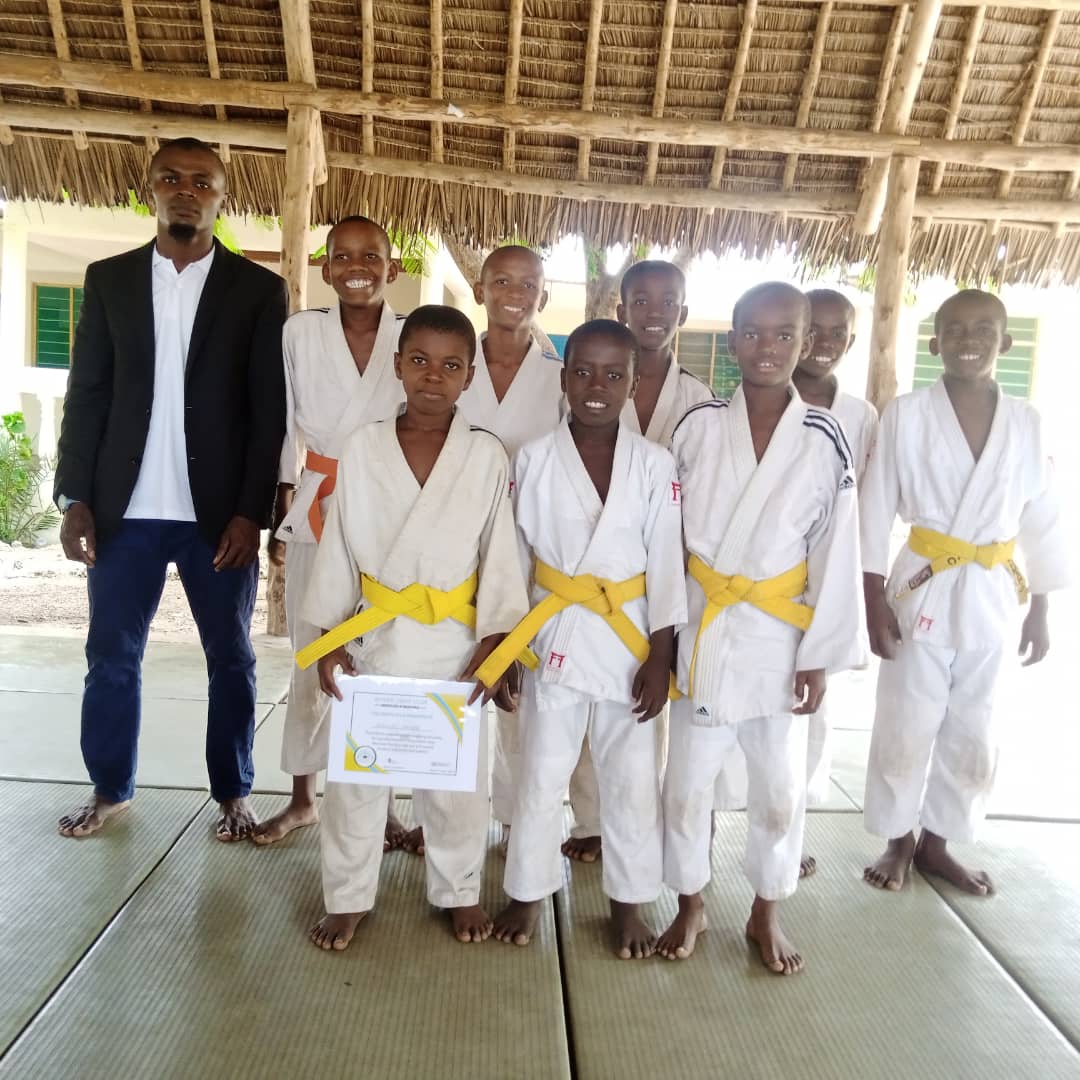
The Bahari judo club has been using judo mats that belong to the Zanzibar judo association. After 3 years and the club getting established, the association has asked for the mats back, leaving the club matless. This is where you come in! The Bahari club is reaching out to the international judo community for help in securing funding to purchase a set of mats owned by the club. Abdul, coach of the club, has been active in the area for a while now. Including as a coach at the Judo Excellence cl... Read more
KODOKAN
(2024-2-20)KODOKAN
(2024-2-19)Fighting Fitness Judo
(2024-2-18)The Digital Dilemma: Why Getting Children Active is Crucial for Their Well-being
In today’s digital age, children spend more time than ever glued to screens, whether smartphones, tablets, computers, or video game consoles. While technology offers many benefits, excessive screen time can have detrimental effects on children’s physical and mental health. In this article, we’ll explore the importance of getting children off screens and active, the long-term effects of sedentary behaviour, and how judo and martial arts can provide a solution. The Rise of Screen Time With the... Read more
KODOKAN
(2024-2-18)KODOKAN
(2024-2-17)United States Judo Federation
(2024-2-16)Judo being a Martial Art of Japan
From Stanford University's archives Read more
Judo Books by Koka Kids
(2024-2-16)Irish Judo Mon Grading Syllabus & Shamrock
The Irish Judo Mon Grading Syllabus & Shamrock Syllabus is covered fully in this book Read more The post Irish Judo Mon Grading Syllabus & Shamrock appeared first on Judo Books by Koka Kids . Read more
NI Judo
(2024-2-07)Commonwealth Championships 2024
Details of the Commonwealth Judo Championships taking place in early April in Malta, are now available including the entry information. There is also a planned Ne Waza event at this competition (details are TBC). Richard Briggs will be managing the entries from Northern Ireland, and below are the details and information he has requested to be listed: Criteria: Although this is a self funded event it is a World Class competition event and players should hold at least a 1 st Kyu grade along wi... Read more
NI Judo
(2024-2-01)British Schools Championships
We’re delighted to be sending a large cohort of players across the water to the British Schools Championships’ in March. To assist with preparation, Coach Stephen McCluskey is adding additional sessions that players are encouraged to attend in the preparation and build up to the event. The additional training is supported by NIJF funding, so there are no mat fees for the additional sessions: Sunday 4 th February 12.00-1.30pm in Lisburn Racquets Club. (Players are encouraged to attend from 11... Read more
The Original Judo Podcast
(2024-1-31)Predicting the Olympic Champions with Chris Barry
This week we welcome to the show British Judo's Performance Analyst Chris Barry to discuss who this years Olympic Champions are going to be. This week we go through our predictions for the mens categories Read more
Welsh Judo Association
(2024-1-30)New Directors Appointed and Diolch i Chi Am Bopeth Kerry & Jo
We are delighted to announce the appointment of Barry Cawte and Chris Emsley as Independent Non-Executive Directors at the Welsh Judo Association. Both arrive at a pivotal time within our new strategy, and we are excited by their experience and skillsets. Barry Cawte is the Chief Executive of Scottish Hockey, the third largest team sport in Scotland, with international teams competing at all levels right through to the Commonwealth Games. Barry is also a director of Great Britain Ho... Read more
Judo Books by Koka Kids
(2024-1-29)How to teach Uki-Goshi
How to teach Uki Goshi just go a lot easier with the Koka Kids 4 Read more The post How to teach Uki-Goshi appeared first on Judo Books by Koka Kids . Read more
KL Judo
(2024-1-28)Koga Seoi-Nage Masterclass
3 key success factors for the Koga Seoi-Nage. 3 common mistakes people make when doing Koga Seoi-Nage. 3 types of uchikomi to build up your Koga Seoi-Nage. 3 precursors for the Koga Seoi-Nage. Read more
Konan Judo
(2024-1-25)Michigan State Games Judo Tournament
When: February 17, 2024 starting at 10am Where: Kroc Center Grand Rapids, MI 49507 Hosted by: Godai Judo Something for everyone in Judo!JuniorsSeniorsVeterans (Masters)Kata Register: https://event.racereach.com/sgom-wg-judo/register/ Note – There will be no on-site registration only online through 11PM Wednesday, February 14th. All pooling will be done the evening before the tournament. Athletes will still be required to check in […] Read more
Judo Books by Koka Kids
(2024-1-22)Judo Friendship Flyer
Get the flyer Judo Friendship Flyer. Show that your dojo is a positive welcoming environment Read more The post Judo Friendship Flyer appeared first on Judo Books by Koka Kids . Read more
KL Judo
(2024-1-19)The making of a champion
What does it take to make a judo champion? At KL Judo, we think there are eight key success factors. Here they are (in no order of importance): a) Strength & Fitness It's a fallacy to say that if you have technique, you don't need strength. You need strength to execute your techniques. Even the best techniques in the world won't work if you are physically weak. So, it's important to build strength. If you are a player who is able to train full-time and do sufficient judo every day, then by al... Read more
The Original Judo Podcast
(2024-1-17)Season 2 Episode 45 with Double Paralympic medallist Sam Ingram
This week we welcome back to the show double paralympic medallist Sam Ingram. Sam is a return guest having graced the show way back in 2017 on episode 2, when he was still considering having a run at the Tokyo Paralympics. Long since making the decision to retire, we have a look back over his incredible career, competing at 3 paralympics, medaling at world and paralympic level, and becoming the first VI Judoka to medal in the national championships Read more
KL Judo
(2024-1-17)Left Wrist-Control "Rolling" Series
Rolling Kataha-Jime Traineau Armlock Rolling British Strangle Read more
KL Judo
(2024-1-14)Good newaza
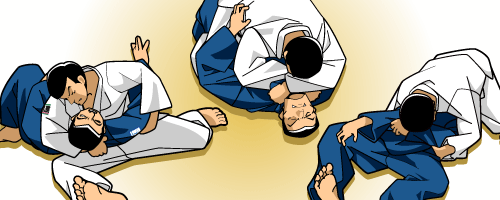
you shouHere are some key tips on how to get good at newaza. It all starts with mindset. I've heard so many people say things like, "I hate newaza but I'll force myself to do it because it's necessary." For such people, newaza is a necessary evil that should be banned. But since it's not banned, they'll do it. Such people will never be good at newaza. You can force yourself to do something you hate but you can never be good at it. So, you've got to accept and embrace the fact that newaza is ... Read more
KL Judo
(2024-1-09)Briggs Sankaku Versions 1 & 2
Standard Version Keylock-First Version Read more
Judo Books by Koka Kids
(2024-1-06)Want to continue getting judo resources in 2024 🥋
Hi everyone! Nik here from Koka Kids Judo with an update on the Read more The post Want to continue getting judo resources in 2024 🥋 appeared first on Judo Books by Koka Kids . Read more
Judo Books by Koka Kids
(2024-1-06)100 Judo Resources for Coaches to Use to Teach Judo
100 judo resources for judo coaches and teachers to use. Welcome to Koka Kids Read more The post 100 Judo Resources for Coaches to Use to Teach Judo appeared first on Judo Books by Koka Kids . Read more
KL Judo
(2024-1-03)Jacket Skirt Tie-Up Series
Version 1 Version 2 Version 3 Read more
KL Judo
(2023-12-31)Jacket Skirt Tie-Up
Three different turnovers for different scenarios. Read more
KL Judo
(2023-12-31)The Khabarelli
The classical Khabarelli (now banned). Modern Khabarelli (perfectly legal). Read more

Sites:
- AS Judo Academy
- Adaptive Judo
- Advanced Apprenticeship Judo Blog
- Akari Judo Blog
- BBC Judo News
- BetterJudo.com
- Big Jack Judo
- Black Belt Magazine
- Blind Judo Foundation
- Bruno Carmeni's Judo Blog
- Budokan Judo Club
- Camberley Judo Club Blog
- Camberley Judo Club
- Cambridge Uni Judo Club
- Coachjudo's Blog
- Cobra Judo Club
- Chadi Judo
- Cynthia Rahming Judo
- DaFoots Judo
- Danny Williams blog
- DojoCulture
- Dundee Ippon Judo Club
- EJU Judo Knowledge
- Edinburgh Judo
- Eric Ham's Judo Blog
- Faith Pitman
- Fighting Fitness Judo
- Ford Judo Club
- Formation En France
- GHOST OF KANO
- German Judozone
- Hampshire Judo Association
- IAJR News
- Irish Judo Association
- Ivo Judo
- Ivo's Road to London 2012
- JUDO TRAINING DEVELOPMENT
- Judo Canada
- Judo Chop Suey
- Judo Cloud
- Judo Crazy
- Judo Inside
- Judo Metrics
- Judo New Zealand
- Judo Tom
- Judo Way of Life
- Judo Way of Life
- Judo is only gentle for the guy on top
- Judo-sport
- Judo-the-Blog
- Judo4Parents.com
- JudoAdvisor
- JudoCoach.com
- JudoNotes
- Judobob
- Judofan
- Judoka Quarterly
- Judospace News
- Judospace
- KL Judo Training Centre
- KL Judo
- Kodokan Youtube
- Kokakids Junior Judo Magazine
- Konan Judo
- Lex's Training Blog
- MSMA Judo Blog
- MartiMalloy.com
- Matt D'Aquino's Blog
- Mick's Judo Blog
- Mike Liprot Blog
- My Dojo
- Neil Adams
- Nick Tritton Blog
- Nokemono Judoka
- Northern Ireland Judo
- Nottinghamshire Judo
- OK Judo player
- Oceania Judo Union
- Official EJU Newsfeed
- Original Judo Podcast
- Planet Judo Podcast
- PlanetJudo
- Princeton Judo
- RAF Judo
- Rainbow Judo Club
- Ringwood Judo
- Road to Shodan Blog
- SSJ Judo
- Samantha Lowe 2012
- Searching for Judo
- Sophie Cox
- Southampton City Judo Club
- Southampton University Judo Club
- Sportsister judo
- St Columbs Park Judo Club.
- TalkJudo
- TeamNZJudo
- The British Judo Council
- The Business/Judo of life
- The Difficult Way
- The Experiment
- The Kano Chronicles® 嘉納歴代
- The Original Judo Podcast
- The World Of Judo
- Thunder Bay Judo
- Transition from a Gi
- Trinity Judo
- USJF.COM
- VCU Judo
- Vale Judo Club
- Vince Skillcorn's Blog
- Welsh Judo
- Windsor Judo Club News Blog
- Yorkshire Humberside Judo